
Västerbotten
-
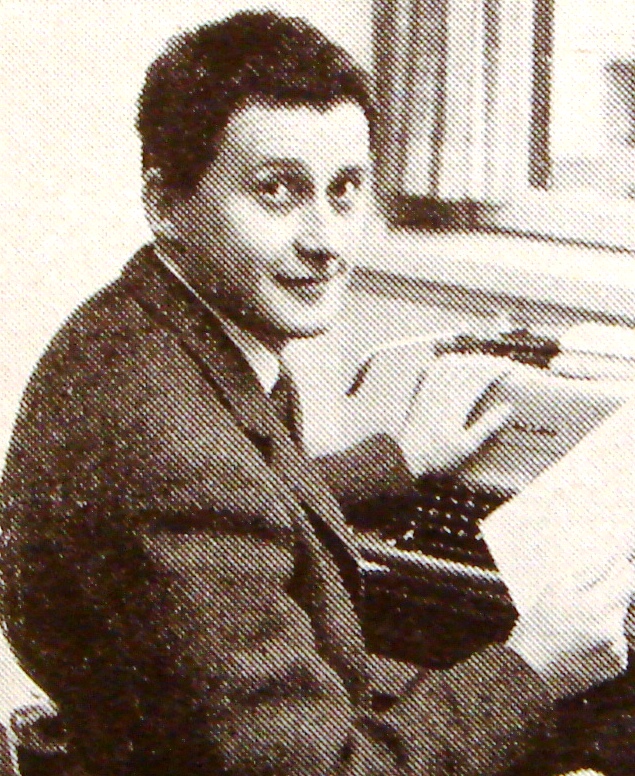 Politician (Social Democrat) Kjell-Olof Feldt, was born in current Umeå in 1931.
 -
-
Västerbotten, a province in the north, bordered in the east to the Gulf of Bothnia and the Kvarken, in the south to Ångermanland and in the west to Lapland, and in most instances in the north to Norrbotten. The province flower is the pedicularis sceptrum-carolinum and the provincial animal is the Eurasian Curlew. Archaeology has established that there were people in northern Sweden from the Stone Age and on, but ancient finds are fewer than in the rest of the country, and the population must have been sparse and scarce throughout antiquity. The water level was very high, both in sea and rivers. People wandered in to Västerbotten from all directions about 8000 BC Stone Age. Culture in Västerbotten is characterized by small seats, which are not located on the water's edge. There was no reindeer hunting age in Västerbotten as it was for example in Finland, but the people there hunted elk. The presence of flint shows that people had long-range contacts during the older Stone Age. Västerbotten is located directly south of the Arctic, and thus directly south of the Arctic Circle, which affects the landscape lighting. After the equinox, Västerbotten has more daylight hours per day, and in the summer the nights are bright. After the autumnal equinox, the area has less sunshine however, than the south. Holmön, located in the north of the southern archipelago, has the most hours of sunshine a year throughout the entire country. The province's cuisine includes Västerbotten cheese, goat cheese, potato dumplings, dishes of bramble and cloudberry, game meat of moose and reindeer, and flatbread. Potatoes and salmon are typical Västerbotten food, and smoke-houses are especially common at the southern coast. The older food culture includes whey and “tätmjölk” ( similar to “filmjölk” a sort of cultured buttermilk), and both blood bread and blood pudding. Blood could also be used for pancakes. During the early 1900’s there were many special places for drying berries in Västerbotten, but before that it was rare for people to eat berries, other than lingonberries. Mushrooms also began to be used in food during the 1900’s. During the years of famine bark bread was eaten. The largest town in Västerbotten is Umeå, with nearly 80 000 inhabitants. Politician Kjell-Olof Feldt was born in Holmsund, in current Umeå, in 1931.
-
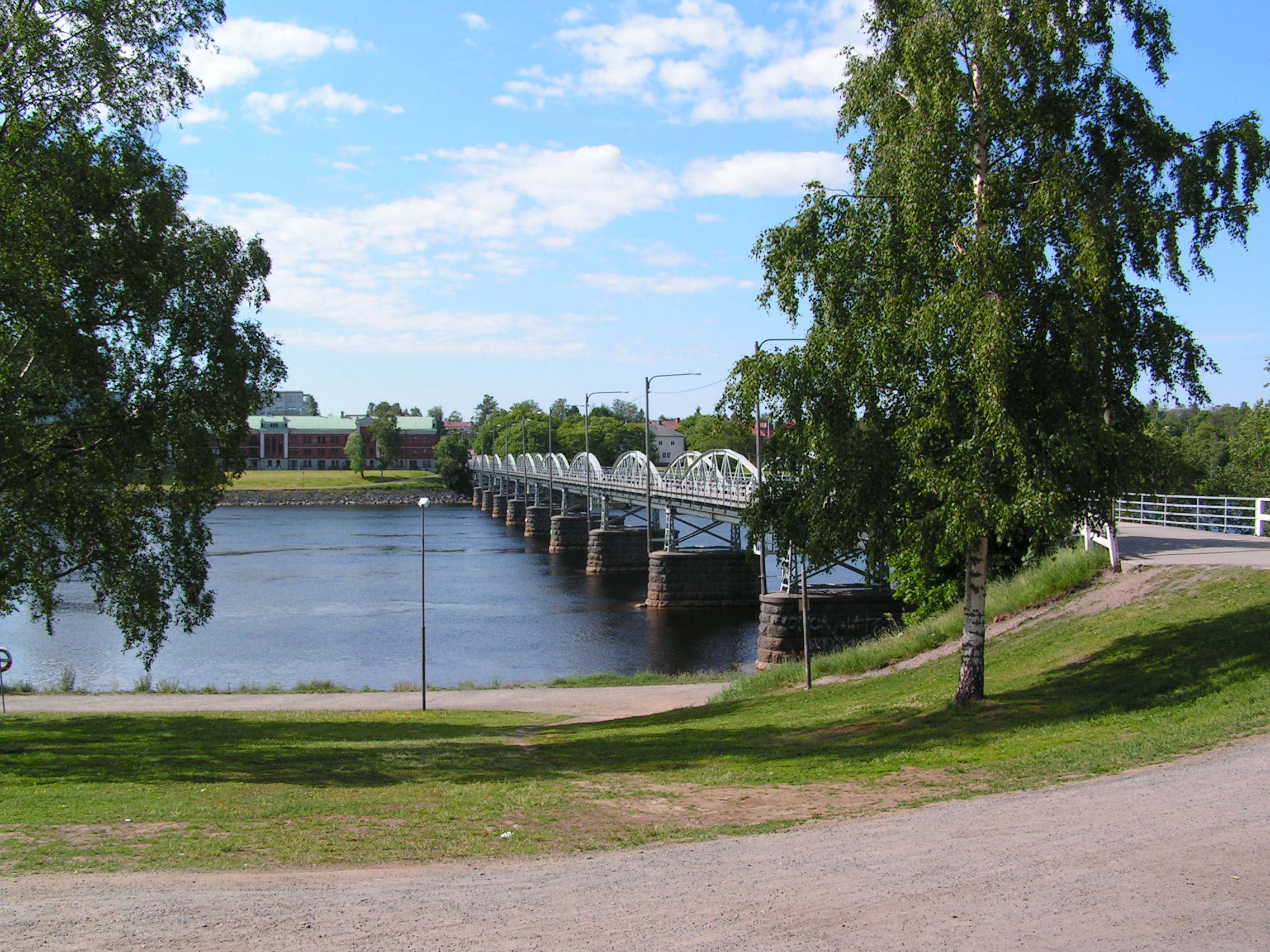 Gamla bron (the old bridge) over Ume River in Umeå, the biggest city in Västerbotten.
 -
-
Västerbotten, ett landskap i Norrland, gränsar i öster till Bottenviken och Kvarken, i söder till Ångermanland och i väster till Lappland, samt i de flesta sammanhang även i norr till Norrbotten. Landskapsblomman är Kung Karls spira och landskapsdjuret storspoven. Arkeologin har belagt att det funnits människor i Västerbotten från stenåldern, men forntida fynd är färre än i övriga landet, och befolkningen måste ha varit gles och fåtalig under hela forntiden. Vattennivån var mycket högre, både havet och älvarna. Folk vandrade in till Västerbotten från alla väderstreck ca 8000 f.Kr. Stenålderskulturen i Västerbotten kännetecknas av små härdar, vilka inte är belägna vid strandkanter. Det fanns ingen renjägartid i Västerbotten som det gör i till exempel Finland, utan människorna där jagade älg. Förekomst av flinta visar att människorna hade långväga kontakter under äldre stenålder. Västerbotten ligger direkt söder om Nordkalotten, och därmed direkt söder om polcirkeln, vilket påverkar landskapets ljusförhållanden. Efter vårdagjämningen har Västerbotten allt fler ljusa timmar per dygn, och om sommaren är nätterna ljusa. Efter höstdagjämningen har området däremot färre soltimmar än söderut. Holmön, som ligger i Västerbottens södra skärgård, har flest soltimmar per år i hela landet. Till landskapets matkultur hör Västerbottensost, getost, palt, anrättningar av åkerbär och hjortron, viltkött av älg och ren, samt tunnbröd. Mandelpotatis och lax är typisk västerbottnisk mat, och rökerier finns framför allt vid södra kusten. Till äldre matkultur hör mesost och tätmjölk, samt både blodbröd och blodpalt. Förr kunde blod också användas till pannkaka. Under början av 1900-talet fanns många bärtorkerier i Västerbotten, men innan dess var det sällan människor åt bär, annat än lingon. Svamp började också användas i mat under 1900-talet. Under nödår när säden frös gjordes barkbröd förr. Största staden i Västerbotten är Umeå med närmare 80 000 invånare. Politiker Kjell-Olof Feldt är född i Holmsund, i nuvarande Umeå, 1931.
-
-